Discover Why Clean Water Matters for a Comfortable Home
Water plays an essential role in everyday life, from preparing meals and making beverages to cleaning, bathing, and maintaining household appliances. Although municipal water treatment systems are designed to meet established safety standards, the characteristics of household water can vary depending on its source, distribution network, and plumbing infrastructure. Some households experience unpleasant tastes, chlorine odors, sediment, or mineral buildup, while others may have concerns about particular contaminants. Understanding these differences is an important first step toward choosing suitable water treatment equipment. A thoughtfully selected filtration system can improve certain aspects of water quality while providing greater convenience for everyday household activities.
iSpring Filter offers residential water filtration products designed to address different household requirements. Its product range includes reverse osmosis drinking water systems, under-sink filters, whole-house filtration equipment, water softening solutions, and replacement filtration components. These options allow homeowners to explore solutions based on their water source, available installation space, and specific treatment goals. Rather than relying on a single approach for every property, understanding how different filtration technologies work can help households make informed decisions about improving their water experience.
Explore Reverse Osmosis Systems for Better Drinking Water
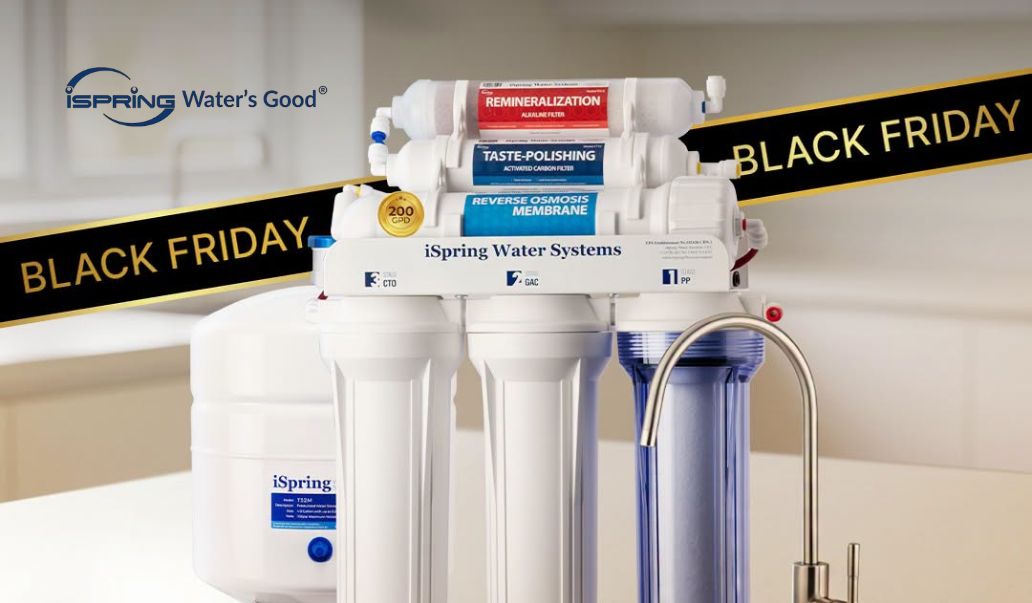
Drinking water quality is an important consideration for households seeking reliable and convenient access to filtered water. Water may contain dissolved minerals, residual disinfectants, or other substances that influence its taste and composition. Reverse osmosis technology uses a semipermeable membrane to reduce many dissolved contaminants, making it a popular option for point-of-use drinking water treatment. These systems often combine sediment and carbon filtration with membrane treatment to address different water characteristics. However, filtration performance depends on the specific system, its certifications, operating conditions, and proper maintenance. No single system should be assumed to remove every possible contaminant.
iSpring Filter provides reverse osmosis systems designed for installation near household drinking water outlets, including under-sink configurations. Selected models use multiple filtration stages that may incorporate sediment filters, activated carbon cartridges, reverse osmosis membranes, and optional remineralization stages. Some systems are designed to reduce substances such as lead, arsenic, fluoride, and dissolved solids, although buyers should verify the tested reduction claims for the exact model. Certain configurations also include additional features intended to improve convenience or adjust the characteristics of filtered water. Comparing system capacity, replacement schedules, wastewater requirements, and available certifications can help buyers select equipment appropriate for their household.
Improve Household Water with Whole-House Filtration Solutions
Water quality concerns are not always limited to drinking water. Sediment, chlorine, iron, and other water characteristics can influence bathing, cleaning, laundry, and the operation of household fixtures. For properties supplied by private wells, water composition may differ significantly from that of municipally treated supplies. Whole-house filtration systems are designed to treat water at the point where it enters the home, allowing multiple outlets to receive water that has passed through the selected treatment equipment. This approach can be useful when a household needs to address a particular issue across several rooms rather than at a single kitchen faucet.
iSpring Filter offers whole-house filtration systems with different filter media and configurations for various water treatment needs. Depending on the model, these products may target sediment, chlorine, certain organic compounds, iron, manganese, or other specified substances. Some systems combine multiple filter stages to address more than one concern. However, the correct solution depends on the water test results and the treatment capabilities of the selected cartridges. Households using well water should consider professional testing for relevant contaminants, including microbial risks, because ordinary sediment or carbon filtration does not necessarily make contaminated water microbiologically safe. Matching filtration technology to documented water conditions is essential for achieving meaningful improvements.
Protect Household Appliances Through Better Water Management
Household appliances that use water can be affected by sediment, scale, and other water characteristics. Mineral deposits may accumulate in kettles, water heaters, plumbing fixtures, and certain appliances, particularly in areas with hard water. Sediment can also contribute to clogged screens or reduced performance in some plumbing components. Understanding the difference between filtration and water softening is important because these technologies address different problems. A sediment filter captures particles, while a conventional ion-exchange water softener reduces hardness minerals such as calcium and magnesium. Carbon filtration, meanwhile, is commonly used to address chlorine-related taste and odor concerns.
iSpring Filter provides products for household water management, including sediment filtration, whole-house treatment systems, and selected scale-control or softening solutions. Buyers should evaluate whether their primary concern involves particulate matter, dissolved hardness minerals, chemical substances, or a combination of these factors. Choosing the wrong technology may leave the original issue unresolved even when the equipment functions correctly. Water testing, product specifications, and installation requirements can help clarify which solution is appropriate. Properly selected treatment equipment may support more convenient appliance maintenance, although performance benefits depend on water chemistry, operating conditions, and the specific appliances involved.
Choose the Right Filtration System for Your Home and Lifestyle
Selecting a water filtration system involves more than comparing product appearance or the number of filtration stages. Homeowners should first identify their water source and determine which characteristics they want to improve. Municipal water reports can provide useful background information, while laboratory testing may be necessary for private wells or suspected contamination. Available space, plumbing compatibility, household water demand, filter replacement costs, and installation complexity should also influence purchasing decisions. A compact under-sink system may be suitable for drinking and cooking water, while a whole-house arrangement may be more appropriate when multiple outlets require treatment.
iSpring Filter offers different product configurations that allow customers to compare filtration methods, flow capacities, dimensions, and maintenance requirements. Some systems are designed for straightforward installation by individuals familiar with household plumbing, while others may benefit from professional installation. Buyers should review operating pressure requirements, cartridge compatibility, and the manufacturer’s installation instructions before making a purchase. Independent certification claims should also be checked against the exact model and the contaminants covered by the certification. Taking these precautions can help prevent unnecessary expenses and support a filtration setup that meets practical household needs.
Maintain Your Filtration System for Reliable Long-Term Performance
Installing a filtration system is only the beginning of effective household water management. Filters accumulate captured particles and other substances over time, while certain treatment components gradually lose their effectiveness. Regular maintenance helps systems operate according to their intended design and reduces the risk of problems associated with neglected cartridges or equipment. Replacement intervals vary depending on the filtration technology, household water consumption, and incoming water quality. Some components require relatively frequent changes, while others may operate for longer periods under suitable conditions. Following manufacturer recommendations is essential because visual appearance alone cannot reliably indicate whether a filter continues to perform adequately.
iSpring Filter supplies replacement filters, membranes, and accessories intended for compatible water filtration systems. Homeowners can establish a maintenance schedule that includes checking for leaks, monitoring water pressure, replacing cartridges, and following any applicable sanitization procedures. Reverse osmosis systems may also require periodic membrane performance checks and storage tank maintenance, depending on their design. Keeping a record of replacement dates and component specifications can simplify future servicing. Ultimately, effective filtration depends on selecting suitable equipment, installing it correctly, and maintaining it consistently. With informed planning and responsible upkeep, homeowners can create a practical water treatment arrangement that supports their everyday needs and long-term household comfort.